
Selling a home is a major milestone that blends excitement, planning, and decision-making. Whether you’re upgrading, downsizing, or relocating, understanding the process helps reduce stress and ensures a smoother transition. From preparing your property for listing to closing the sale, each stage requires attention to detail and realistic expectations. This overview breaks down the key steps of selling a home, what to expect at each point, and how to approach them confidently.
What Should You Do Before Listing Your Home?
Before listing your home, it’s essential to prepare it for the market through repairs, cleaning, and staging. Buyers often form their first impressions within seconds, so presenting a well-maintained, inviting property can make a significant difference in your selling experience. Start by addressing minor repairs such as leaky faucets, chipped paint, or loose doorknobs. These details may seem small, but they communicate care and quality to potential buyers.
Next, focus on decluttering and deep cleaning each room to help your home appear spacious and move-in ready. Consider professional cleaning services for carpets, windows, and high-traffic areas. Staging, whether done by you or a professional, allows buyers to visualize themselves living in the space. Neutral décor, balanced furniture placement, and fresh accents like flowers or new throw pillows can enhance appeal.
Outside, curb appeal plays a major role in attracting buyers. Fresh landscaping, clean walkways, and a tidy entryway invite buyers to step inside. A simple coat of paint on the front door or updated lighting fixtures can elevate your home’s exterior presentation.
Finally, gather important paperwork such as maintenance records, warranties, and recent utility bills. This information shows transparency and gives buyers confidence in the property’s condition. Preparing your home thoroughly before listing not only increases its perceived value but can also lead to a quicker, more favorable sale.
How Do You Choose the Right Listing Price?
Choosing the right listing price involves balancing market data with realistic expectations. The best price reflects current market conditions, comparable properties, and your home’s unique features. Setting a price too high may discourage potential buyers and cause your home to sit on the market longer, while pricing too low can reduce your return.
A real estate professional can provide a comparative market analysis (CMA) to identify how similar homes in your area have recently sold. This report helps you understand pricing trends and what buyers are currently willing to pay. Factors such as square footage, number of bedrooms and bathrooms, upgrades, and location all influence value.
Timing also affects pricing. In a seller’s market, where demand exceeds supply, you may be able to price slightly higher and still attract offers. In a buyer’s market, pricing competitively is critical to drawing attention. Seasonal trends can matter as well; spring and early summer often see higher activity, while winter tends to slow down.
It’s also wise to consider your personal timeline. If you need to sell quickly, setting a price aligned with recent sales can attract multiple offers and create momentum. Ultimately, the right price combines objective market data with strategic positioning, ensuring your home stands out without alienating potential buyers.
How Can Marketing Help Your Home Stand Out?
Effective marketing maximizes exposure and draws qualified buyers to your listing. It starts with professional photography that showcases your home’s best features in high-quality, natural light. Most buyers begin their search online, so striking images and a well-written description are essential for making your home stand out among countless listings.
A detailed listing description should highlight what makes your property unique—whether that’s an open floor plan, upgraded kitchen, or proximity to top-rated schools. Use warm, inviting language that paints a picture of the lifestyle the home offers. Virtual tours and video walkthroughs add another dimension, allowing remote buyers to experience the property before visiting in person.
Beyond online listings, marketing strategies may include social media campaigns, open houses, and targeted advertising to reach specific buyer demographics. A knowledgeable agent can use their network to share your property with other professionals and potential buyers, increasing visibility through both digital and personal connections.
Professional signage and print materials can still play a role, especially in local markets where word-of-mouth remains strong. Consistent, multi-channel marketing ensures your home reaches as many qualified buyers as possible. The goal is to create interest, encourage showings, and generate competitive offers—all outcomes that result from strategic, well-executed marketing.
What Happens During Showings and Open Houses?
During showings and open houses, your goal is to create a welcoming atmosphere that helps buyers envision themselves living in the home. Preparation and presentation matter. Before each showing, ensure the space is clean, well-lit, and free from personal items such as family photos or clutter. These steps make the property feel neutral, allowing buyers to connect with the home on their own terms.
For private showings, your agent will schedule appointments based on buyer interest. It’s best to leave the home during these visits to give buyers privacy and freedom to explore. Your agent can highlight key features, answer questions, and gather valuable feedback from visitors.
Open houses can attract multiple buyers at once, often during weekends when foot traffic is higher. This can create a sense of excitement and urgency among attendees. Make sure the home smells fresh, the temperature is comfortable, and all lights are on to create an inviting environment.
After each event, review feedback from your agent. If several visitors mention the same concern—such as outdated paint or pricing—it may indicate a need for adjustment. Staying flexible and responsive during this phase helps keep interest high and improves your chances of receiving strong offers.
Showings and open houses are more than opportunities to display your home—they’re your chance to help buyers fall in love with it.
How Do Offers and Negotiations Work?
When an offer arrives, your agent will review it with you to explain its terms, including price, contingencies, financing, and closing timeline. This step is where strategy and communication are crucial. You can accept the offer, reject it, or submit a counteroffer. The goal is to find a balance that satisfies both parties while protecting your interests.
If multiple offers come in, your agent will help you evaluate more than just price. Consider the buyer’s financial qualifications, contingencies, and requested closing dates. A cash offer, for instance, may close faster than one requiring mortgage approval. Flexibility on closing or possession dates can also make an offer more appealing.
Negotiations may include requests for repairs, closing cost contributions, or adjustments to the sale price. Maintaining open, respectful communication often leads to smoother outcomes. While emotions can run high during this phase, focusing on long-term goals keeps decisions grounded in reason.
Once you and the buyer agree on terms, both parties sign the purchase agreement, and the home officially goes under contract. Understanding the offer process ensures you respond confidently and make informed decisions that support your financial and personal goals.
What Should You Expect During the Inspection and Appraisal?
After your home goes under contract, the buyer typically schedules a home inspection and appraisal. These steps verify the property’s condition and market value, protecting both buyer and lender interests.
During the inspection, a licensed professional examines the home’s structure, systems, and safety features, identifying any issues that might require repair. Common findings include roof wear, plumbing leaks, or electrical updates. Buyers may request repairs or negotiate credits based on the report. How you respond can influence whether the deal moves forward smoothly.
The appraisal determines your home’s fair market value, ensuring it aligns with the agreed-upon sale price. The appraiser evaluates comparable properties, location, and condition to produce a value estimate. If the appraisal comes in lower than expected, the buyer’s lender may require price adjustments or additional negotiations.
Both steps can feel stressful, but they’re a normal part of the process. Staying proactive, providing documentation for recent upgrades, and being open to reasonable repair discussions can help maintain progress. Once these steps are complete, the sale moves closer to closing, with most major hurdles behind you.
How Does the Closing Process Work?
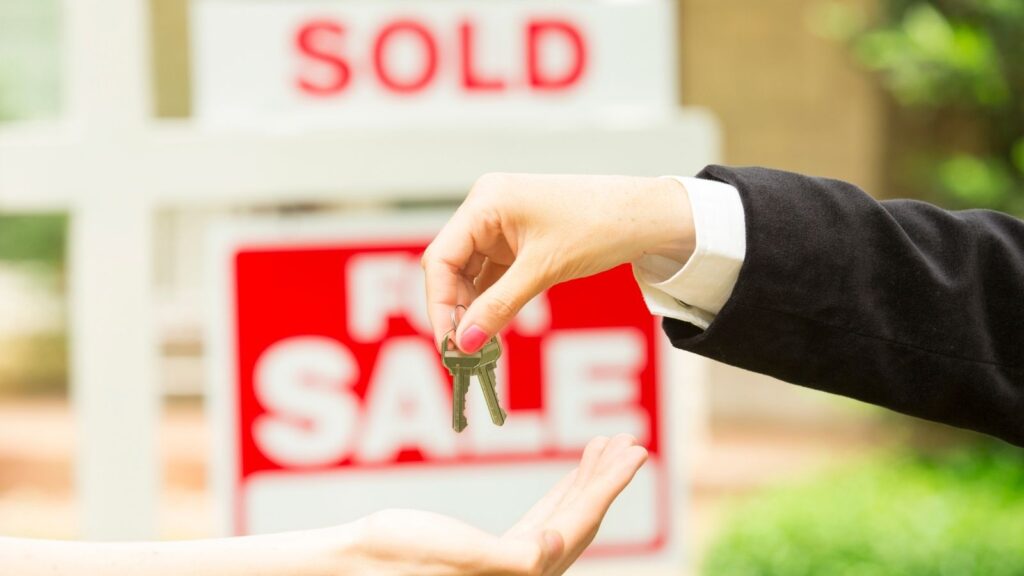
Closing finalizes the sale and officially transfers ownership to the buyer. This stage includes signing legal documents, settling financial details, and handing over the keys.
Before closing, the buyer’s lender confirms final loan approval, and the title company ensures there are no legal issues with the property’s ownership. You’ll review the closing statement, which lists all financial details, including sale price, agent commissions, and prorated taxes or utilities. It’s important to check these numbers carefully and address any discrepancies early.
On closing day, both parties sign the necessary documents, often in person or through electronic platforms. Once funds are transferred and the deed is recorded, ownership officially changes hands. You’ll receive the proceeds from the sale after paying off any remaining mortgage balance and fees.
While closing marks the end of your selling journey, it’s also the start of a new chapter. Understanding each step in advance helps you prepare, minimizes surprises, and allows you to move forward confidently toward your next home or investment.
What Common Challenges Should You Prepare For?
Challenges during the home-selling process often involve timing, pricing, and unexpected repairs. Even with careful preparation, real estate transactions can bring surprises that require patience and flexibility.
One frequent issue is overpricing, which can lead to fewer showings and longer market times. Listening to your agent’s market analysis helps prevent this. Another challenge arises when inspection reports reveal unexpected problems, such as roof damage or aging systems. Having a contingency plan for repairs or credits can keep negotiations on track.
Appraisal shortfalls can also delay closing. When a home appraises lower than the agreed price, buyers may request a price reduction or offer to cover the difference. Staying open to compromise helps preserve the deal.
Delays in buyer financing, title issues, or last-minute scheduling conflicts can also occur. Keeping communication open and responding promptly to requests makes resolution easier.
Selling a home requires managing both logistics and emotions. Anticipating potential obstacles and maintaining realistic expectations allows you to approach challenges calmly, ensuring you reach closing day with confidence and satisfaction.
How Can a Real Estate Agent Simplify the Process?
A real estate agent simplifies the selling process by handling marketing, negotiations, paperwork, and coordination from start to finish. Their expertise ensures your home reaches the right buyers and that each step proceeds smoothly.
Agents use their market knowledge to set a competitive price and craft an appealing listing. They arrange professional photography, online exposure, and networking through local and digital channels. During showings and open houses, they gather feedback and keep you informed of buyer interest.
When offers arrive, your agent negotiates on your behalf, ensuring favorable terms while protecting your financial interests. They also help interpret inspection reports, manage appraisal concerns, and communicate with all parties involved—from lenders to title companies—to avoid delays.
Beyond logistics, a good agent provides reassurance and perspective. They anticipate challenges before they arise and offer clear guidance at every decision point. Their experience turns a complex, emotional transaction into a manageable, organized process. Working with the right professional transforms selling a home from a stressful task into a well-supported, efficient experience.
What Happens After Your Home Sells?
After closing, your responsibilities shift to finalizing the move, canceling utilities, and updating personal accounts. It’s also time to reflect on what comes next—whether purchasing another property, renting temporarily, or relocating.
Ensure all contracts are completed and that you’ve received payment from the sale. Cancel or transfer utilities and services, including electricity, water, internet, and insurance. Notify your mortgage lender that the loan has been paid in full and verify the release of the lien.
If you’re moving locally, plan your next housing arrangements early to avoid gaps between closings. If you’re relocating, coordinating moving services and change-of-address updates will smooth your transition.
Finally, take time to review your experience. Understanding what worked well and what could be improved prepares you for future real estate decisions. Whether this sale marks the end of a long chapter or the start of something new, closing the sale of your home represents an accomplishment worth celebrating.
Are You Ready to Begin the Home Selling Process?
Selling a home is more than a transaction—it’s a personal and financial decision that deserves careful attention. From preparing your property to signing final papers, each step contributes to a successful outcome. Working with an experienced agent ensures you have the guidance, strategy, and support needed to sell efficiently and confidently. If you’re ready to discuss your next move, reach out today to start planning your home sale with a trusted professional.